Return to Westeros: 'Knight of the Seven Kingdoms' Captures the Imagination
Posted on 2/1/26
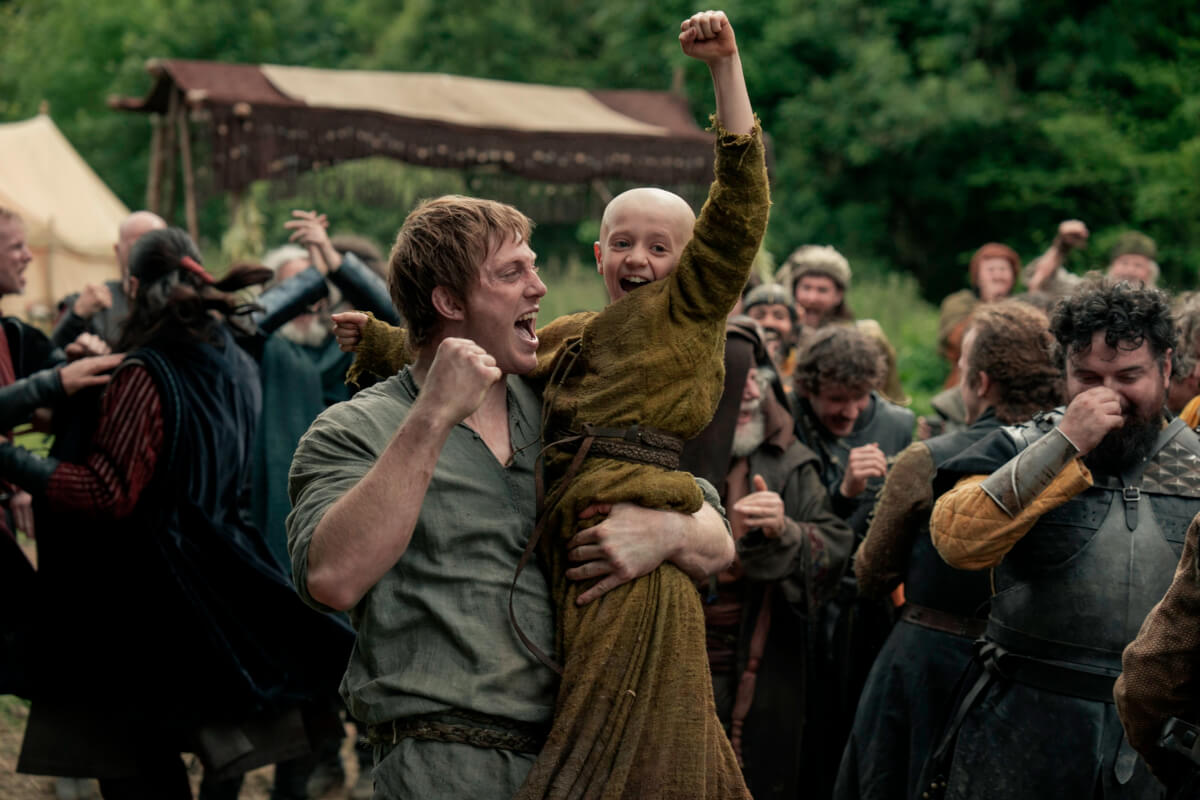
The anticipation surrounding HBO's latest foray into the sprawling Westerosi saga, "Knight of the Seven Kingdoms," has been palpable. Emerging from the rich tapestry of George R.R. Martin's "Dunk and Egg" novellas, this prequel series had the monumental task of living up to the legacy of "Game of Thrones" while carving its own distinct path. Early indications suggest it has not only met but perhaps exceeded the fervent expectations of a global fanbase hungry for more tales from the Seven Kingdoms.
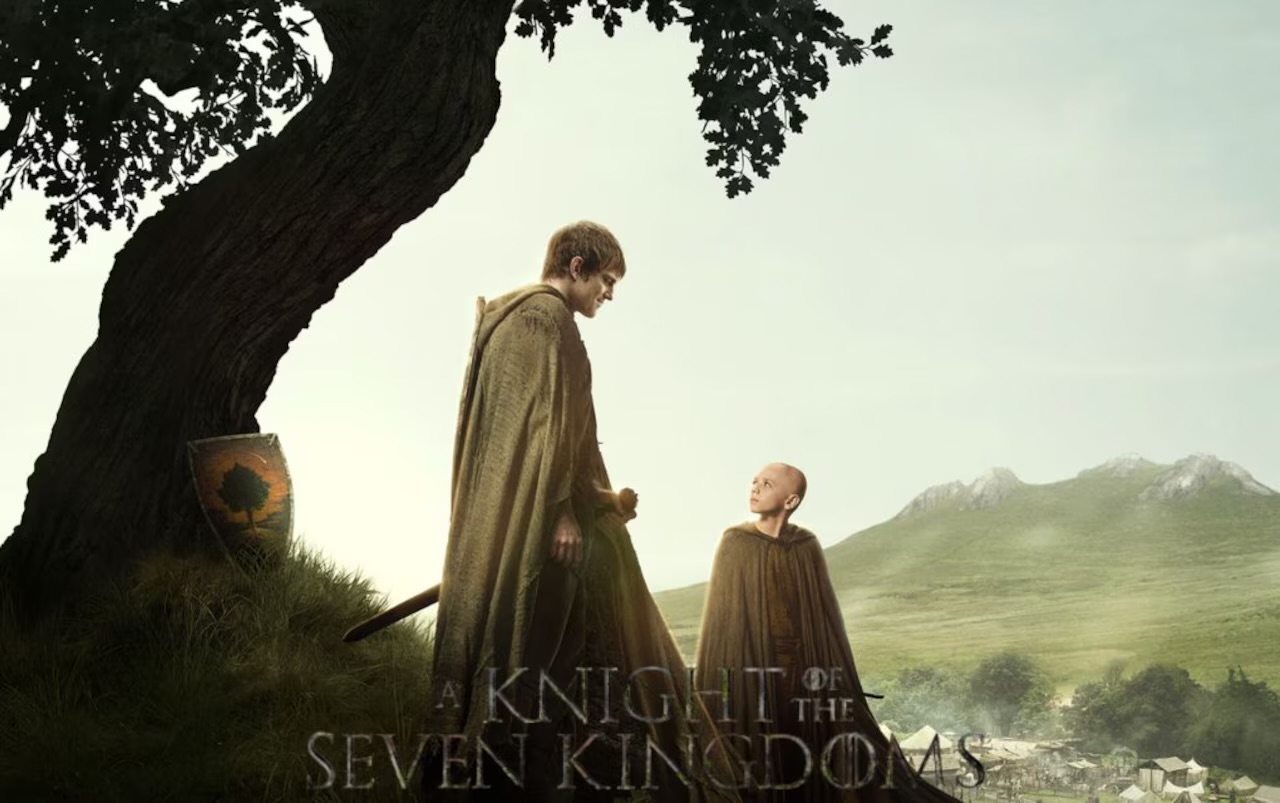
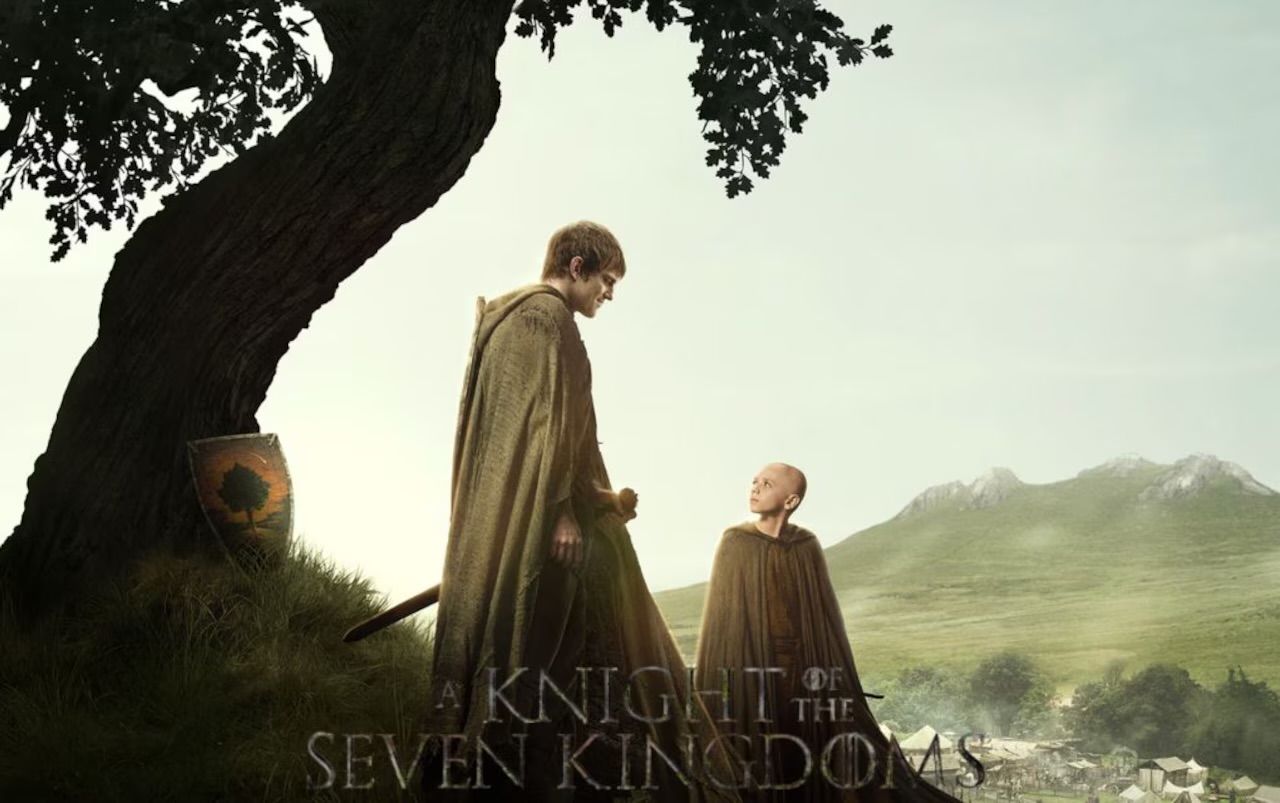
Initial audience reaction has been overwhelmingly positive, painting the series as an instant success. Social media platforms erupted with praise following its premiere, with viewers commending its faithful adaptation of the source material, its more intimate storytelling approach, and the refreshing tone compared to its predecessors. Fans have particularly embraced the journey of Ser Duncan the Tall and his young squire, Egg, finding their dynamic both endearing and compelling, proving that the heart of Westeros beats strong even in a different era.
Critics, too, have largely echoed the audience's enthusiasm. Reviews highlight the show's masterful blend of adventure, humor, and underlying political intrigue, acknowledging its ability to stand independently while enriching the broader "Game of Thrones" lore. Many have lauded the exquisite production design, which meticulously recreates a vibrant, less cynical Westeros, as well as the sharp, character-driven writing that allows for deep exploration of its protagonists' motivations and moral quandaries. The consensus points towards a series that is both grand in scope and remarkably personal.
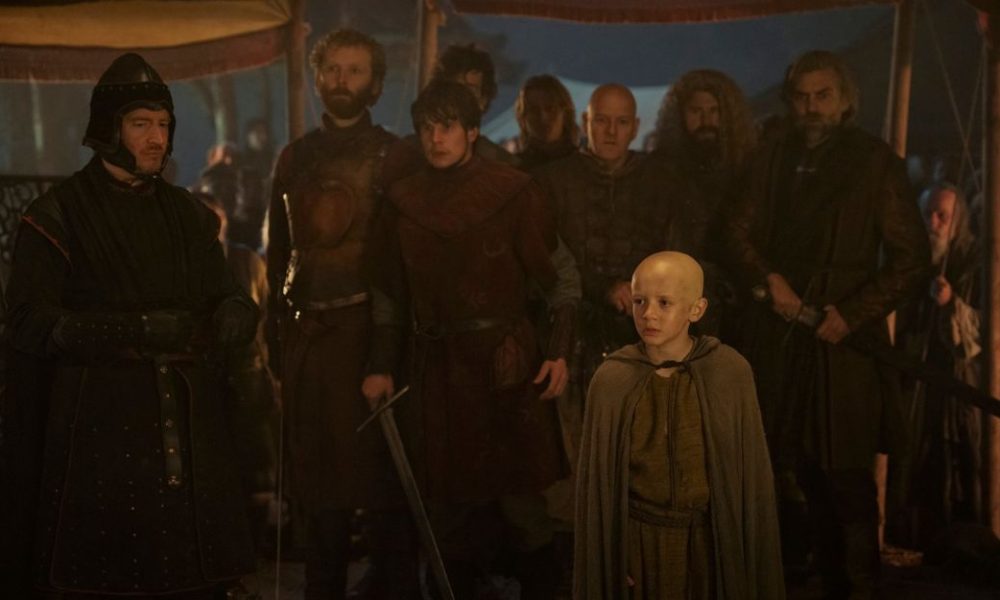
A significant factor in the show's success lies in the impeccable dynamics between its lead cast members. The portrayal of Ser Duncan the Tall, the towering hedge knight with a heart of gold, perfectly balances his earnestness with a nascent sense of destiny. His young companion, Prince Aegon Targaryen (Egg), is depicted with a precocious intellect and a charming innocence that belies his true identity. The actors inhabit these roles with a natural chemistry that makes their burgeoning friendship the undeniable anchor of the series.
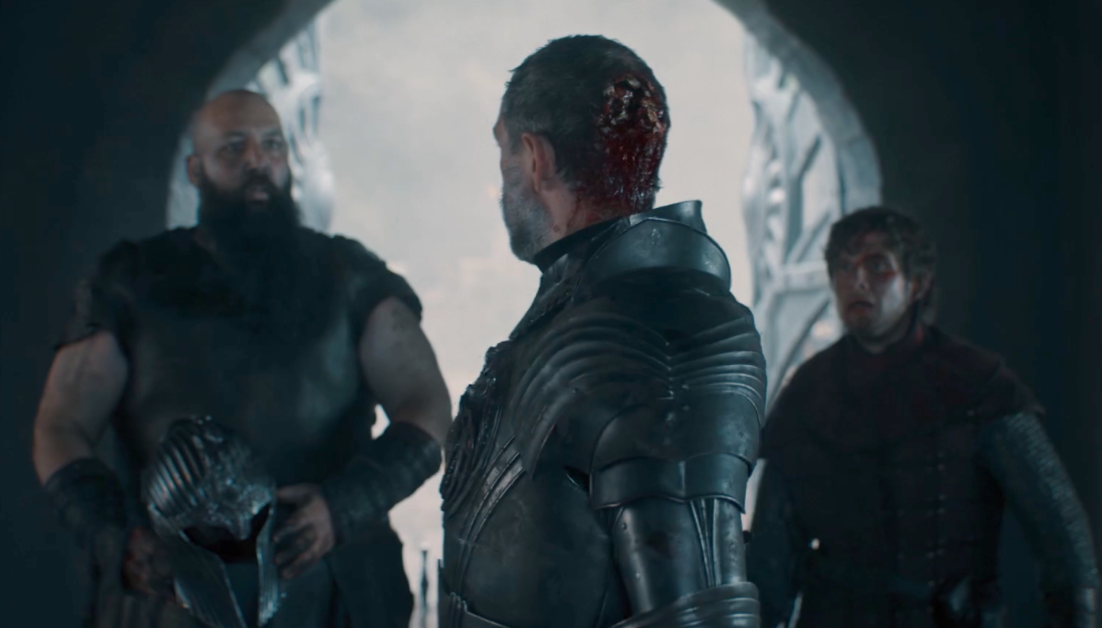
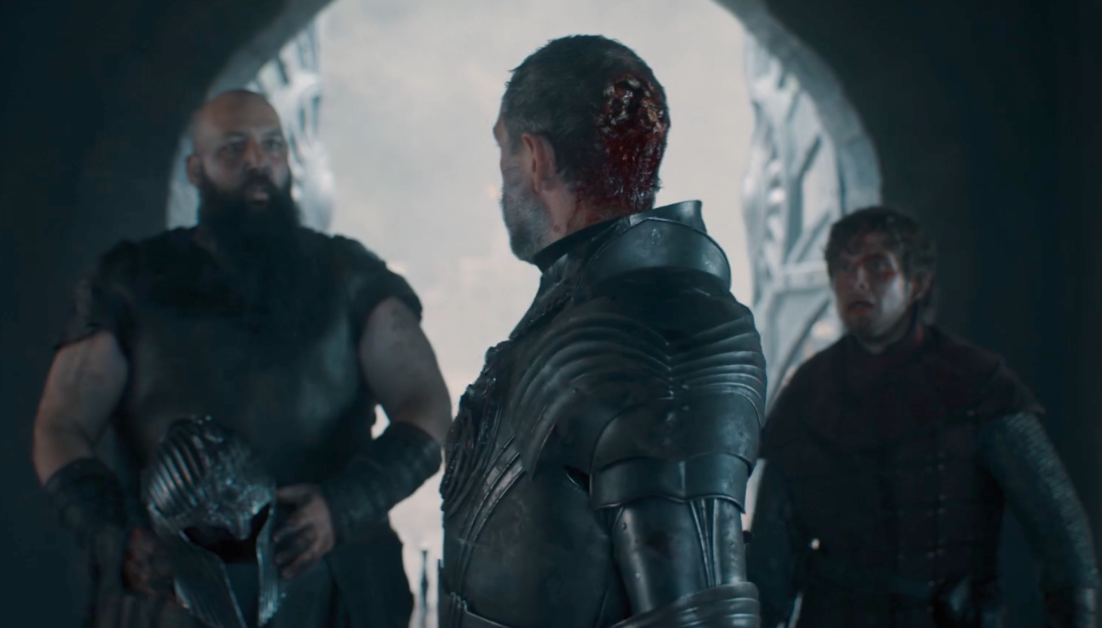
The nuanced performances extend beyond the central duo, with supporting characters adding layers of depth and authenticity to the narrative. From the colorful knights and ladies encountered on their travels to the more villainous figures, each actor contributes to a vibrant ensemble. This collective effort ensures that every interaction, whether a tense confrontation or a moment of quiet reflection, feels genuine and propels the story forward, cementing the show's reputation for strong character development and engaging human drama.
Visually, "Knight of the Seven Kingdoms" is a triumph, immersing viewers in the rich tapestry of Westeros during the reign of the Targaryens, decades before the events of "Game of Thrones." The costume design is meticulously crafted, reflecting the era's distinct aesthetics, while the landscapes are breathtaking, offering a fresh perspective on familiar territories. The series demonstrates a commitment to world-building that is both expansive and detailed, making every frame a feast for the eyes and a testament to the high standards expected from an HBO production in this universe.
Ultimately, "Knight of the Seven Kingdoms" has proven unequivocally worth the wait. It delivers a captivating narrative that honors its heritage while forging its own identity, captivating both seasoned fans and new viewers alike. With its compelling characters, intricate plot, and breathtaking visuals, the show stands as a compelling addition to the Game of Thrones universe, promising an exciting new chapter in the saga of Westeros and leaving audiences eagerly anticipating what adventures lie ahead for Dunk and Egg.