A Glimpse into Westeros' Past: The Enduring Appeal of 'A Knight of the Seven Kingdoms'
Posted on 2/20/26
In the vast, intricate tapestry of Westeros, trials by combat have always been moments of harrowing drama, where justice hangs precariously on the edge of a blade. Who can forget the visceral stakes when Oberyn Martell stepped forth for Tyrion Lannister, a decision that etched itself into the annals of dramatic television? It is this same high-stakes tradition, brimming with personal honor and deadly consequences, that forms the backdrop for the latest chapter in the prequel saga, A Knight of the Seven Kingdoms.
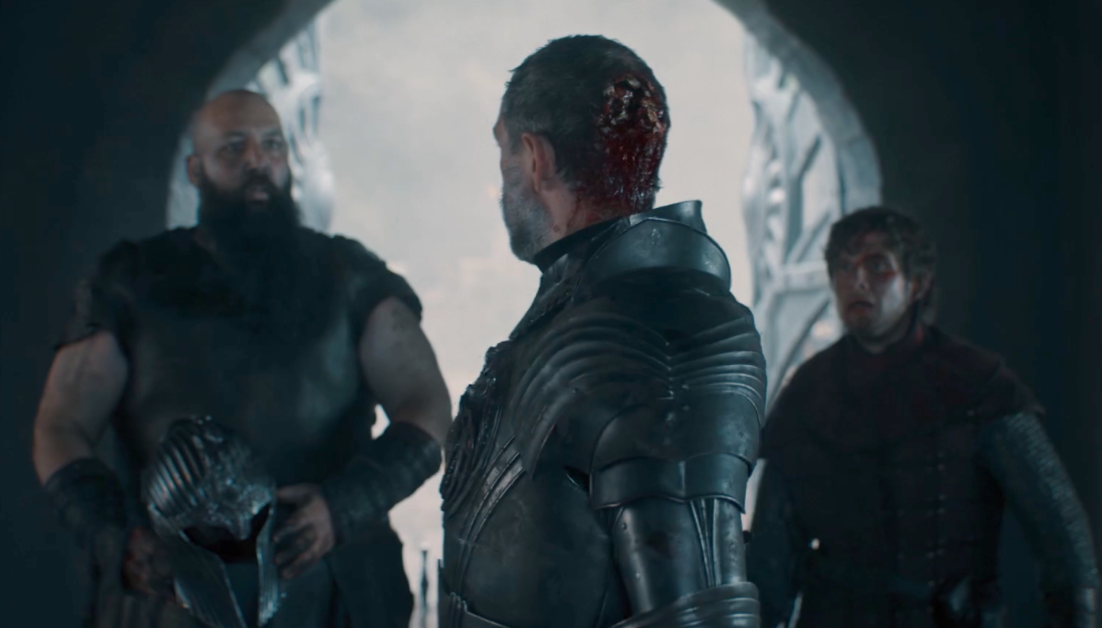
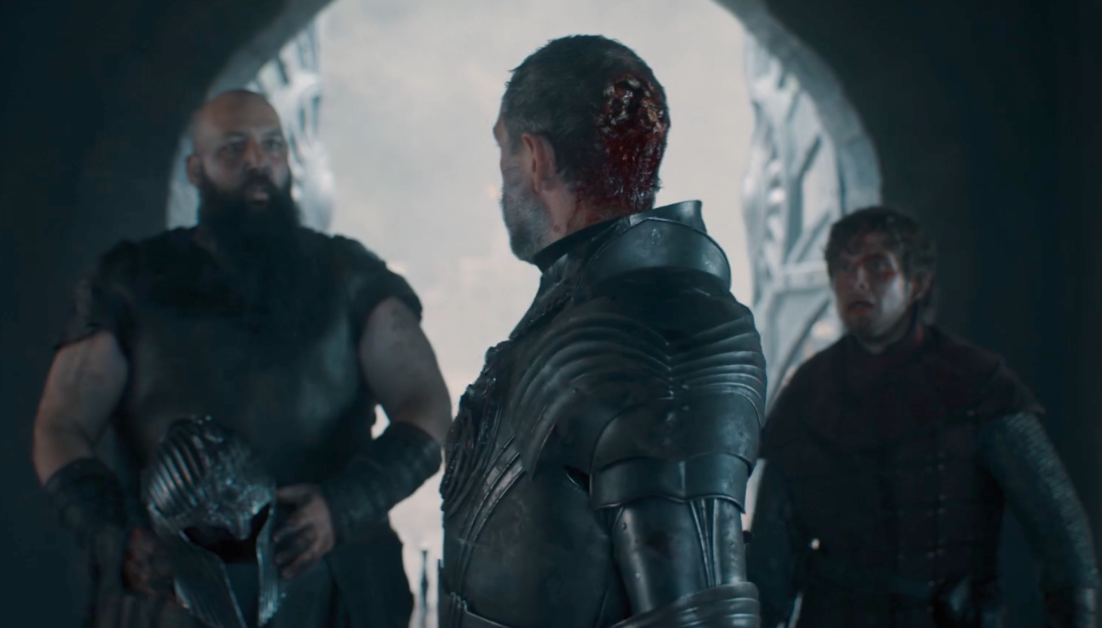
Episode 5 masterfully plunges viewers into such a crucible, as Ser Duncan the Tall faces a pivotal trial that will define his fledgling knighthood. This particular encounter, echoing historical precedents within the Targaryen reign, sees even a royal figure like Prince Baelor Targaryen championing Ser Duncan’s cause. While centuries and bloodlines separate these events from the infamous Red Viper, the fundamental tension and personal investment remain unchanged, reminding us that even a hundred years earlier, the Seven Kingdoms were a land of brutal, unforgiving justice, where character was forged in fire.
The overall reception for A Knight of the Seven Kingdoms has been overwhelmingly positive, and Episode 5 is no exception. It continues to carve out its unique identity within the broader Westeros universe, proving that epic scope isn't solely dependent on massive battle sequences and sprawling CGI. The series has consistently showcased a 'low in budget, high in storytelling' philosophy, favoring intimate character development and rich dialogue over constant visual spectacle. This deliberate approach has fostered a deep connection with the audience, who appreciate the nuanced vision and authentic portrayal of a bygone era.
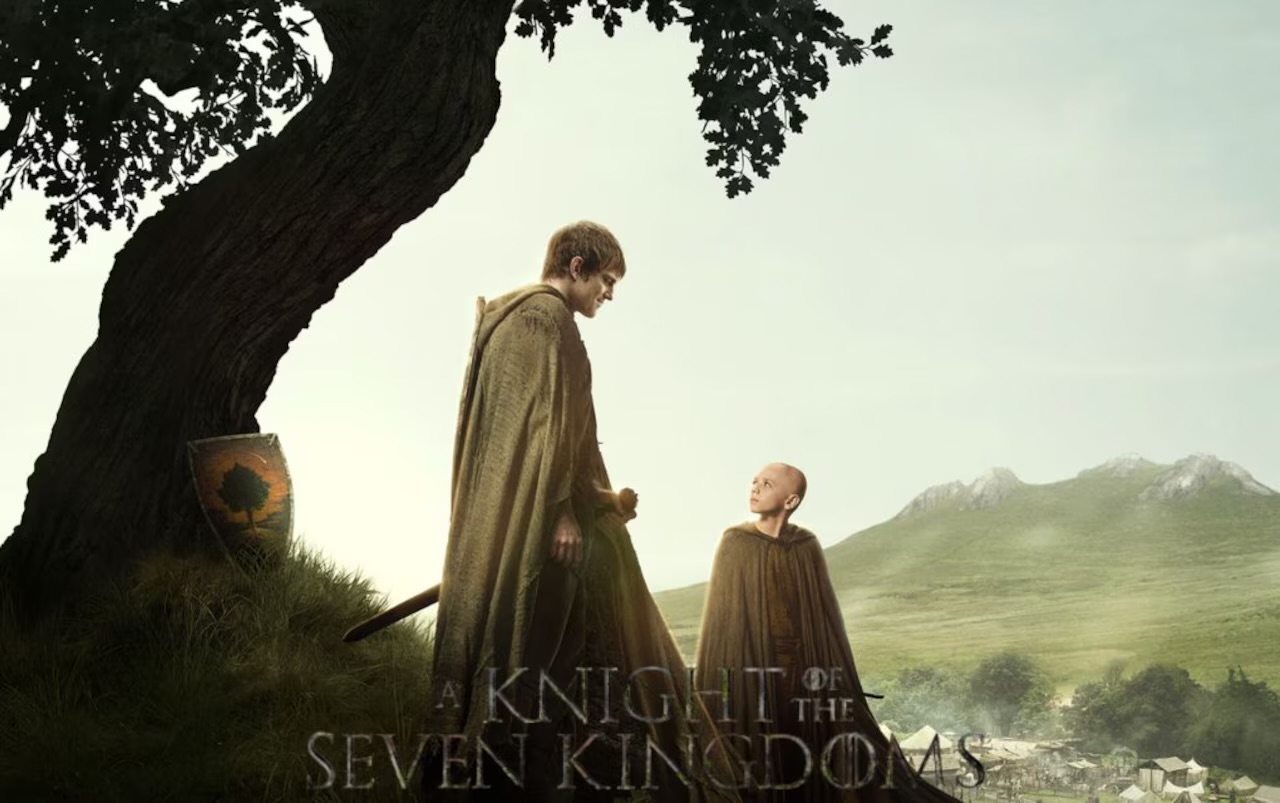
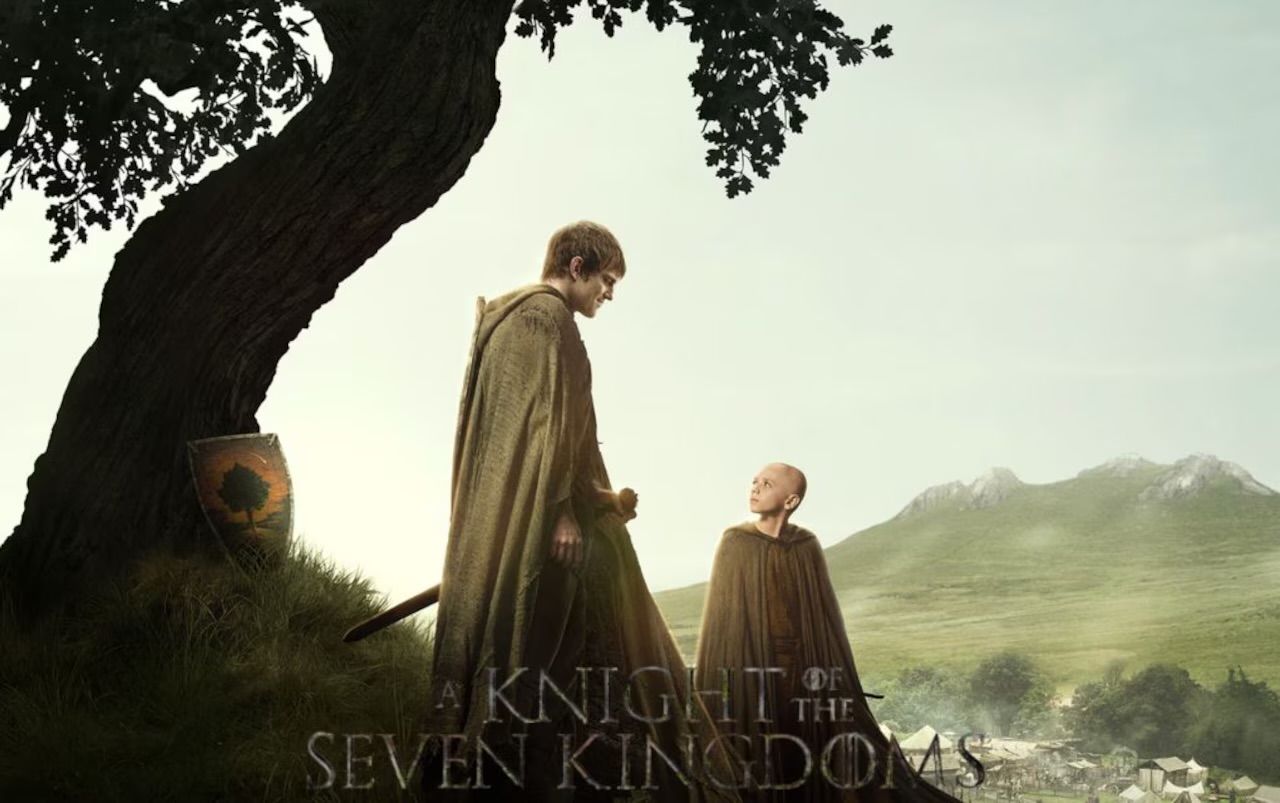
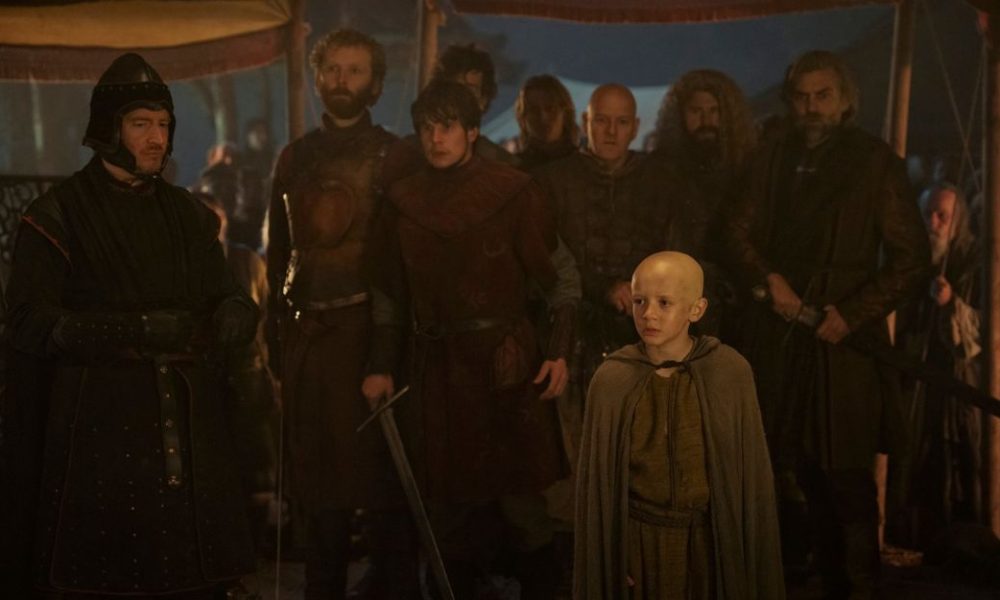
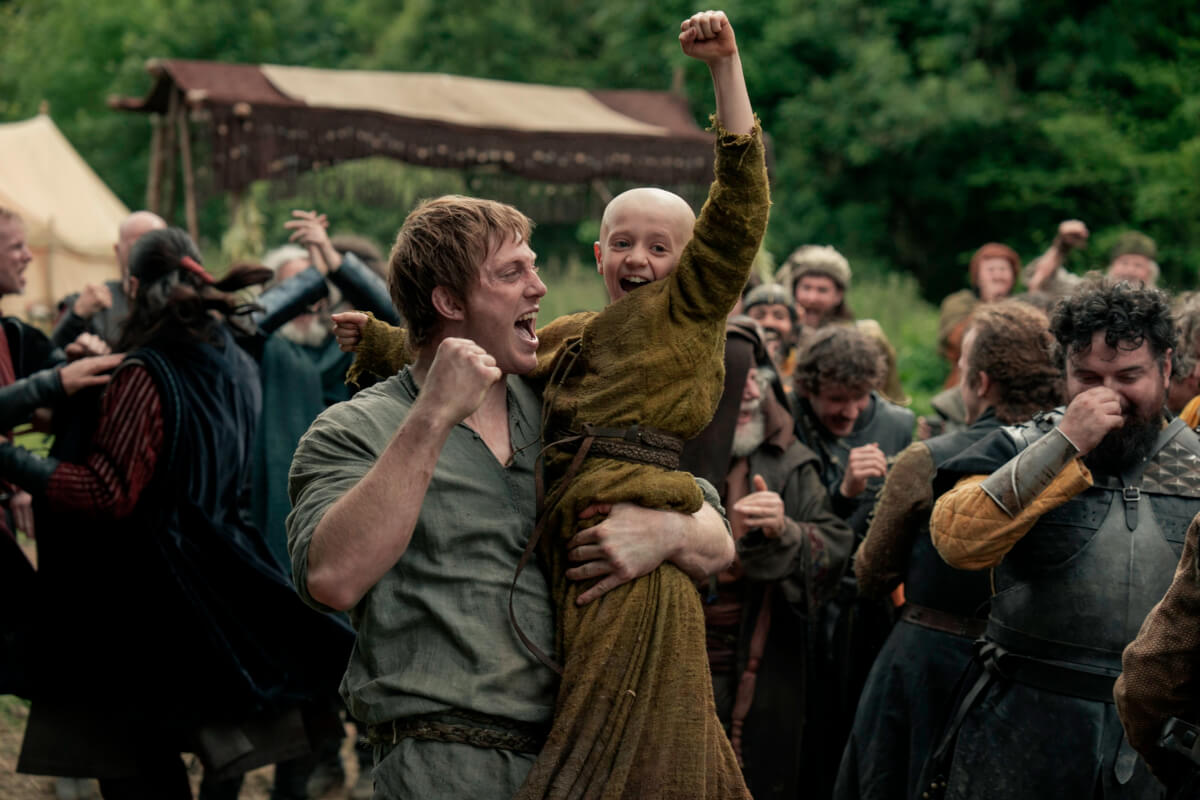
At the heart of the series lies the compelling dynamic between Ser Duncan and his squire, Prince Aegon Targaryen, often affectionately known as Egg. Their evolving mentorship and friendship are the emotional anchors, brought to life by performances that imbue the characters with earnestness and youthful ambition. Ser Duncan's unwavering, if sometimes naive, sense of honor provides a stark contrast to the political machinations of the court, drawing parallels to other beloved figures in the saga who navigated moral quandaries in a treacherous world. The cast's chemistry is palpable, making their journey feel deeply personal and engaging.
However, the episode did present a curious narrative choice regarding the timing of certain character flashbacks. While intended to deepen our understanding of Ser Duncan’s past, their placement smack-dab in the middle of a chaotic, life-or-death melee felt somewhat jarring. In such a high-intensity situation, the mind is typically focused on immediate survival, not distant childhood memories. Had these revelatory glimpses into Duncan's formative years been strategically sprinkled in earlier episodes, perhaps leading up to this defining moment, they might have landed with even greater impact.
Presenting these significant character beats earlier in the series, perhaps in Episode 3, would have allowed the audience to organically build an understanding of Duncan’s motivations and fears. By the time Episode 5’s trial arrived, these previously established flashbacks would have served as crucial context, lending weight to his current struggles without disrupting the flow of combat. It would have transformed them from abrupt interjections into resonant echoes of a past that truly informed his present courage and determination on the field of battle.
Indeed, when facing overwhelming odds, what truly pierces through the fog of pain and impending defeat isn’t a faded memory of childhood, but rather a visceral, immediate call to action. An echoing yell of “Get up!” from a person who truly matters, whose words resonate with authority and belief – now that is the kind of powerful, present moment that can ignite a warrior's resolve. This specific critique notwithstanding, the episode remains a testament to the series' overall strength in crafting compelling, character-driven moments.
Despite this minor structural quibble, A Knight of the Seven Kingdoms continues to demonstrate powerful storytelling, effectively forcing the audience into Ser Duncan's point of view. The narrative deftly explores themes of identity, honor, and the burgeoning bond between a hedge knight and a hidden prince, creating an immersive experience that feels both familiar and refreshingly new. It is another stellar entry in what is shaping up to be an outstanding prequel, deepening our appreciation for the history and lore of George R.R. Martin’s world.
Ultimately, A Knight of the Seven Kingdoms is a triumph in its deliberate pacing and character-focused narrative. Episode 5, despite its particular flashback delivery, upholds the high standards set by the series, offering a compelling blend of drama, action, and world-building. For fans of intricate storytelling and the rich history of Westeros, this show is an absolute must-watch. It easily earns a resounding endorsement, solidifying its place as a truly engaging and worthwhile addition to the saga.