Unpacking the Hawkins Legacy: Anticipation Builds for Stranger Things' Next Chapter
Posted on 3/8/26
As the credits rolled on the much-anticipated series finale of Stranger Things in December 2025, a profound silence descended upon many households, quickly followed by a collective sigh of longing. For millions, the world of Hawkins, Indiana, had become a second home, its inhabitants cherished friends. The emotional void left by the conclusion of nearly a decade of supernatural adventures was palpable. As one teenager eloquently put it, “They can’t just end it like that and leave us with nothing,” articulating the sentiment of a deeply invested global fanbase.
Fortunately for those heartbroken viewers, the streaming giant Netflix has heard their collective cry. Far from closing the door on the Upside Down, multiple Stranger Things prequel projects are slated to arrive throughout 2026. This strategic decision by Netflix aims not only to satiate the demand for more lore but also to expand the beloved universe, turning it into a sprawling narrative tapestry that continues to captivate audiences long after the original saga's end.
However, the chosen release strategy for these new shows is sparking considerable discussion within the entertainment industry. Rather than offering immediate solace to a grieving fanbase, Netflix has opted for a staggered approach, creating a deliberate gap between the main series finale and the arrival of its new iterations. This timeline, while potentially frustrating for some, is viewed by many industry observers as a calculated move to maximize engagement and maintain the franchise's cultural footprint.
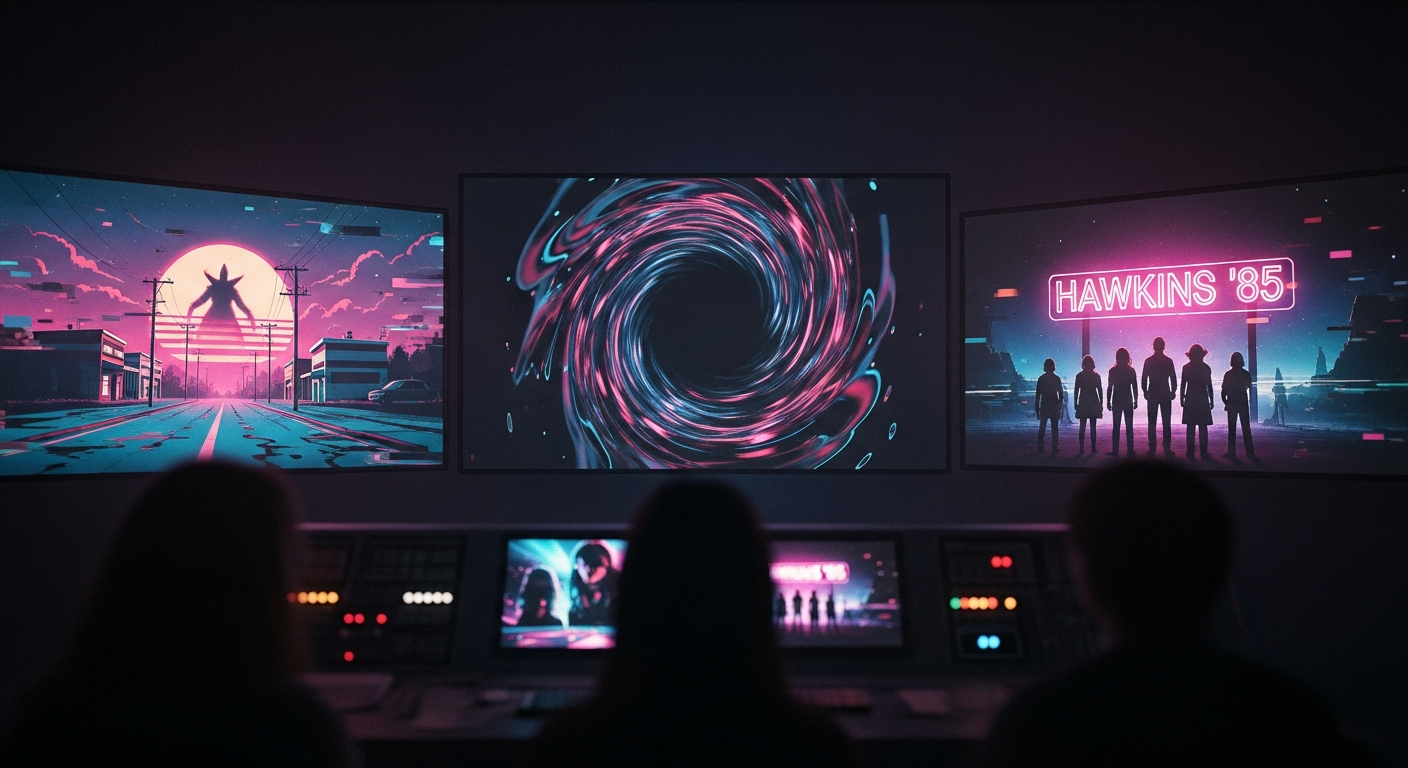
Among the first to arrive is Stranger Things: Tales from ’85, an animated series scheduled for April 2026. This venture promises to explore new narratives within the familiar 1980s timeline, utilizing an animation style designed to evoke the nostalgic charm of classic cartoons from that era. Industry analyst Marcus Chen suggests this gap is a deliberate tactic, stating, “Netflix is betting that the wait will make fans even hungrier for new content,” a sentiment echoed across various entertainment news desks.
Following this animated offering will be Stranger Things: The First Shadow, a live-action prequel poised for a mid-2026 release. This project is particularly significant as it promises to delve into the very origins of the Upside Down, an enigma that has fascinated viewers since its first chilling appearance. Fans anticipate a deeper understanding of antagonist Henry Creel, also known as Vecna, whose complex history, brought to life so compellingly by Jamie Campbell Bower in the original series, laid the groundwork for the ultimate confrontation.
The success of these prequels hinges significantly on their ability to capture the compelling dynamics that defined the original ensemble. While the core cast—including breakout stars like Millie Bobby Brown as Eleven, the enduring charm of Gaten Matarazzo’s Dustin, and the powerful performances from veterans like David Harbour as Hopper and Winona Ryder as Joyce Byers—may not be central to these new narratives, their legacy casts a long shadow. The challenge for new actors, or younger versions of existing characters, will be to forge connections with audiences as deeply as Finn Wolfhard, Caleb McLaughlin, Noah Schnapp, and Sadie Sink did.
Entertainment journalist Sarah Rodriguez frames this ambition as Netflix “essentially turning Stranger Things into a cinematic universe,” drawing direct comparisons to Marvel’s highly successful interconnected storytelling model. This approach demonstrates Netflix’s commitment to not just revisiting Hawkins but expanding its mythology, offering diverse narrative formats and unexplored corners of its richly imagined world. The prospect of multiple unnamed projects exploring character backstories further solidifies this strategy.
The lingering question for many viewers is whether this ambitious expansion will deliver stories as strong and riveting as the original. Will the production quality meet the high bar set by the main series, and will the new cast members resonate with the same authenticity? The staggered release, while strategic, also tests audience patience and the sustained emotional investment the original series so skillfully cultivated over nine years.
Ultimately, the forthcoming Stranger Things prequels present a compelling proposition for fans. While some might lament the fragmented release schedule, the promise of unraveling more of the Upside Down’s mysteries and revisiting the iconic 1980s aesthetic is undeniably enticing. For those who felt the acute absence of Hawkins after the finale, these projects offer not just a return, but an expansion. Approach these new chapters with hopeful anticipation for continued lore and engaging character exploration, but also with a keen eye for how successfully they build upon a beloved foundation without merely recycling nostalgia. The journey, it seems, is far from over.