The Devil's Unchained: Born Again's Gritty Resurgence
Posted on 4/15/26
The highly anticipated return of Hell's Kitchen's infamous vigilante in Marvel Studios' Daredevil: Born Again has ignited a fervent buzz among its long-standing fanbase. Following a somewhat tumultuous path during its initial production and first season, which saw creative shifts and retooling, the series appears to have found its definitive stride. Observers widely agree that it has not only met but perhaps exceeded expectations, effectively recapturing the visceral, character-driven essence that defined the critically acclaimed Netflix incarnation. This redemption arc for the show itself mirrors the struggles of its titular hero, promising a compelling and unified vision for Matt Murdock’s place within the broader Marvel Cinematic Universe.
Among the standout episodes of the nascent second season, the fourth installment, aptly titled “Gloves Off,” has emerged as a true watershed moment. Released to immediate acclaim on Disney+, this episode has been lauded by viewers for its intense narrative propulsion and a palpable sense of consequence. It has swiftly cemented its place as a pivotal chapter, not only within Born Again but is already being referenced in discussions about the greatest Daredevil episodes across all iterations, and even as a benchmark for contemporary Marvel television.
The widespread praise for “Gloves Off” is tangibly reflected in its impressive 9.6 out of 10 rating on IMDb, a score that speaks volumes about its impact and quality. Intriguingly, this high mark places it in direct company with another fan-favorite entry: the Daredevil Season 3 finale, “A New Napkin.” This numerical parity is no mere coincidence; it underscores a thematic and narrative alignment, signaling a deliberate and successful effort by the creative team to connect Born Again directly to the foundational storytelling and character conflicts that resonated so deeply with audiences years ago.
That Netflix finale was a masterclass in tension, culminating in a brutal three-way confrontation that had been meticulously built across the season. It saw Matt Murdock, in his Daredevil persona, pitted against the formidable Wilson Fisk, also known as the Kingpin, and the psychologically scarred sharpshooter Dex Poindexter, or Bullseye. The climax unfolded amidst the high-stakes backdrop of Fisk’s wedding to Vanessa, a sequence rife with personal vendettas and moral compromises. Fisk and Vanessa found themselves targeted for the murders they orchestrated, leading to a harrowing conclusion where Fisk left Bullseye paralyzed, and Daredevil barely refrained from taking Kingpin’s life, only for Fisk to make a calculated fall to protect his bride. This left a lingering sense of unfinished business, a rematch eagerly awaited but never delivered, until now.
It is precisely this long-awaited continuation that fuels the fervent response to “Gloves Off.” The episode acts as a spiritual, and in many ways, direct successor to the unresolved narrative threads of the Season 3 finale. While Born Again’s first season introduced some narrative shifts – such as Bullseye's anger now directed at Vanessa for Foggy Nelson’s demise, and Fisk leveraging his power from the Mayor’s Office – the core dynamic remains strikingly familiar. The relentless pressure Kingpin exerts on both Matt Murdock and Daredevil, and Daredevil's frustration over Fisk's ruthless tactics to counter his legal maneuvers, echo the prior season's central conflicts. Step back from the superficial changes, and the arrangement of characters and conflicts is almost entirely the same, down to Daredevil’s desperate attempts to reach Dex Poindexter and prevent him from succumbing to his own destructive path. This episode plays out like the definitive rematch fans have yearned for, a narrative bridge spanning years of anticipation.
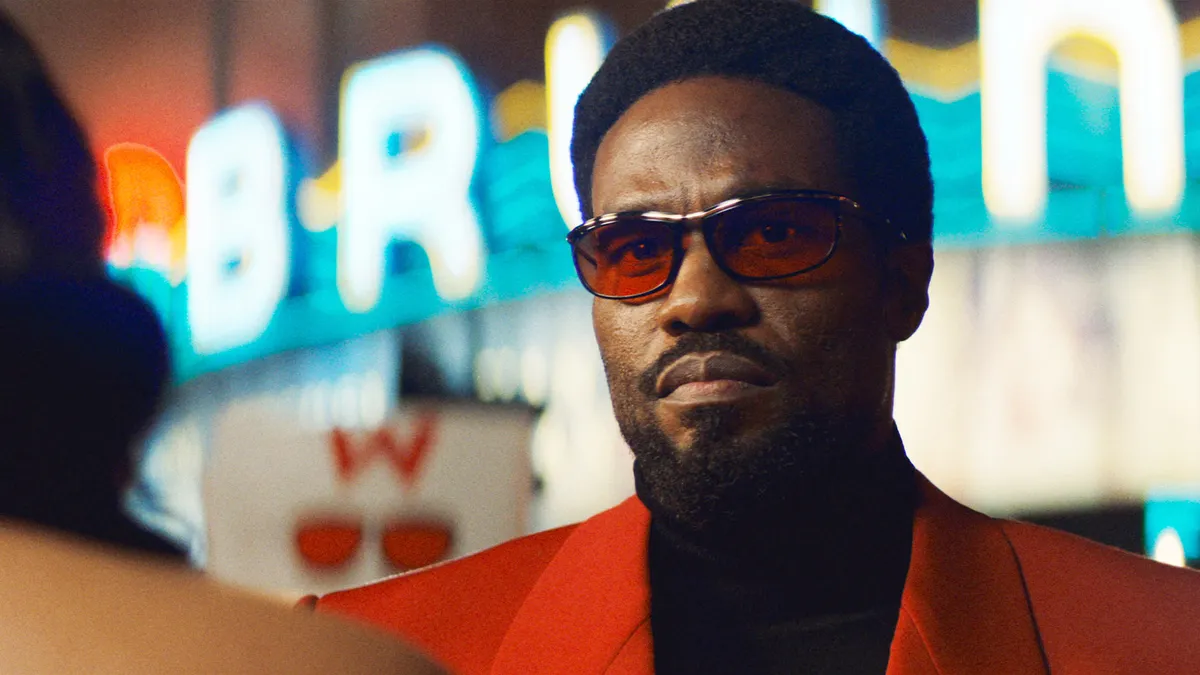
Charlie Cox’s return as Matt Murdock/Daredevil is nothing short of triumphant. His portrayal in Born Again retains the raw vulnerability, moral complexity, and physical intensity that made him a fan-favorite in the original series. He seamlessly slips back into the skin of the conflicted lawyer-vigilante, showcasing Matt's enduring internal battle between justice and vengeance with nuanced conviction. Opposite him, Vincent D’Onofrio’s Wilson Fisk remains a towering, menacing presence. D’Onofrio expertly navigates Fisk’s evolution from crime boss to a politically powerful figure, adding new layers to the Kingpin's ambition and ruthlessness, while never losing sight of the primal rage that defines him. Their confrontations, both verbal and physical, are electric, a testament to their established on-screen chemistry and profound understanding of their characters.
The ensemble’s strength extends beyond its leading men. Wilson Bethel, as Dex Poindexter/Bullseye, delivers a performance that is both chilling and tragically compelling, conveying the character's fractured psyche and lethal precision. His dynamics with both Matt and Fisk are crucial to the episode's intensity, highlighting the dangerous influences that prey on his instability. Furthermore, Ayelet Zurer’s portrayal of Vanessa Fisk continues to be pivotal, providing the essential emotional anchor and moral compass (or lack thereof) for her husband, Kingpin. Her subtle yet impactful presence reinforces the stakes of Fisk’s actions and the depth of his motivations, enriching the broader narrative tapestry of Hell’s Kitchen.
Beyond the performances, “Gloves Off” director Solvan “Slick” Naim deserves significant credit for bringing a discernible stylistic flair and a noticeably enhanced Marvel Studios budget to the production. Compared to the more grounded, albeit effective, direction of Sam Miller in “A New Napkin” back in 2018, Naim’s vision elevates the action sequences to new cinematic heights. The episode features arguably the most extensive and visually stunning action in any Daredevil installment to date, exemplified by an explosive Bullseye battle sequence that served as an appetizer in the pre-release previews. The fight choreography is exceptional, blending the brutal realism synonymous with Daredevil with a more expansive scale, ensuring every punch, kick, and maneuver carries weight and impact, cementing the show's reputation for visceral, compelling combat.
The storytelling in Born Again, particularly in this pivotal episode, is unequivocally riveting. It masterfully balances intricate plot developments with profound character exploration, delving into mature themes of justice, retribution, and moral ambiguity that resonate deeply with adult audiences. The narrative avoids simplistic hero-villain tropes, instead presenting a complex web of motivations and consequences where every character operates within shades of grey. This commitment to nuanced storytelling, coupled with a deep fidelity to the character’s comic book roots and the legacy of its predecessor, makes for an emotionally resonant and intellectually stimulating viewing experience, reminding us why this particular corner of the Marvel universe holds such a powerful allure.
In conclusion, Daredevil: Born Again, especially with the monumental “Gloves Off” episode, stands as an emphatic triumph. It is not merely a continuation but a powerful reaffirmation of what makes this character and his world so compelling. For anyone who cherished the original series, or new viewers looking for a gritty, well-crafted superhero drama, this latest iteration is unequivocally worth diving into. It’s a series that demands to be binged, offering not just a return to form, but a clear indication that the Devil of Hell’s Kitchen is back and more potent than ever before.