The Imperative of IP Fidelity: Learning from Entertainment's Strategic Missteps
Posted on 8/12/26
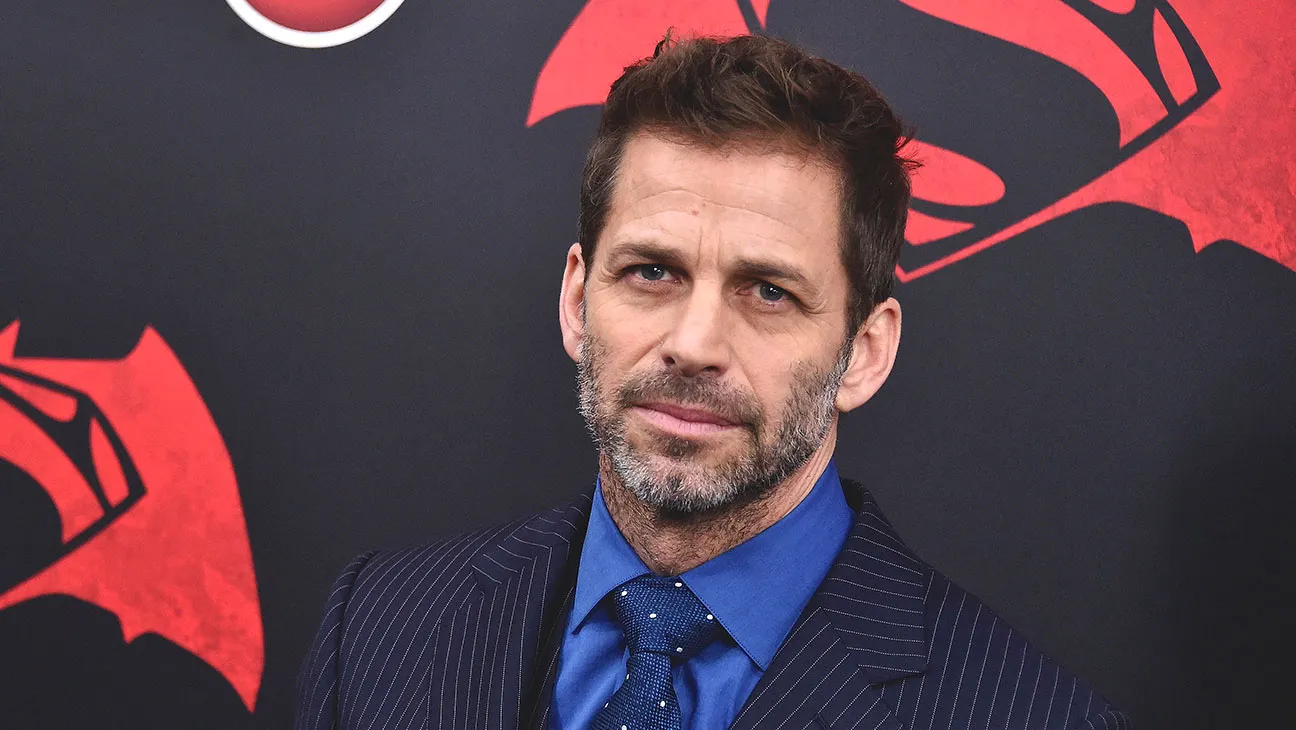
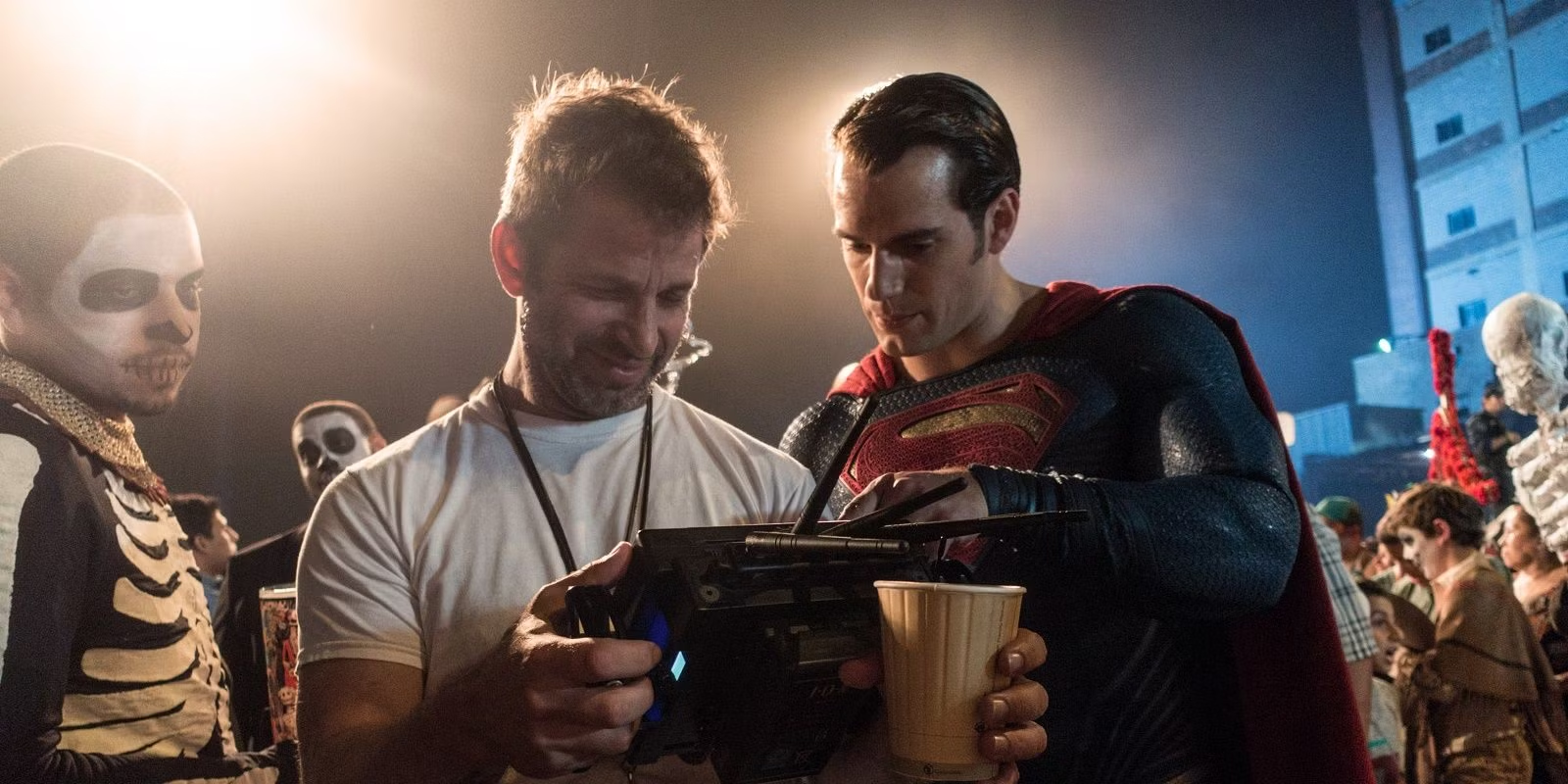
Global entertainment giants routinely grapple with maximizing the value of their iconic intellectual properties (IPs). The delicate balance between artistic vision and commercial viability is a constant challenge, particularly when re-imagining beloved characters for new generations. Recent high-profile endeavors, such as Warner Bros.' fluctuating approach to its foundational DC Comics characters, exemplify the strategic tightrope walked by studios aiming to rejuvenate established franchises. Divergent creative leadership, from one director's grounded realism to another's stylized optimism, has frequently signaled a broader industry struggle to define a coherent path forward.
This strategic inconsistency often yields tangible commercial repercussions. The market has observed a pattern of sub-par box office performances for tentpole releases tied to these re-imaginings, leading to palpable industry apprehension regarding the true potential of these foundational assets. Furthermore, the robust engagement seen in online fan communities, while valuable for brand buzz, has consistently failed to translate into proportional ticket sales, exposing a critical disconnect between digital sentiment and broad market commercial success. This reality forces a re-evaluation of how studios interpret and respond to audience feedback.
At the heart of this challenge lies a tendency to overthink the core brand identity. Rather than leveraging an archetype that has resonated for decades, studios frequently embark on complex deconstructions or overly cautious, retro revivals. This oscillation between a grim, deconstructed narrative and a self-consciously camp aesthetic often misses the mark, alienating segments of the core audience without truly captivating new ones. The market, it appears, isn't seeking a director's idiosyncratic artistic statement nor a bland, sanitized corporate product; it simply seeks an authentic manifestation of the established brand.
The entertainment industry possesses an unparalleled archive of pre-vetted, successful narratives within its comic book IP libraries. These definitive storylines have already proven their resonance with millions globally, representing a vast, untapped blueprint for cinematic success. Continually reinventing the fundamental premise for the silver screen, often under the guise of "adaptation," overlooks this intrinsic value. A truly effective adaptation, from a business perspective, involves taking source material with demonstrable fan appeal and translating its core essence, rather than its superficial elements, into a new medium. Why divert from what has consistently proven to work?
Effective product development for iconic characters demands a clear understanding of their fundamental value proposition. Audiences expect a hero to be heroic, engaging with compelling supervillains, not merely a tormented alien grappling with existential dread in a cynical world. Similarly, a character reduced to a self-conscious caricature, stripped of their inherent joy or grandeur in an effort to appear "relevant," fails to honor the brand's enduring appeal. These creative choices, often driven by individual directorial ego or perceived market trends, inadvertently dilute the brand's established identity and core selling points.
The path forward necessitates a strategic commitment to IP fidelity. Instead of cherry-picking disconnected aesthetic frames to serve a specific creative agenda, studios should prioritize selecting definitive storylines that have already demonstrated enduring appeal and translating them faithfully to film. The enduring longevity of characters spanning nearly a century underscores that their core archetypes are inherently robust and require preservation, not radical overhaul. This approach ensures brand consistency and builds trust with a global audience invested in these narratives.
Ultimately, unlocking the full commercial and cultural potential of iconic IPs requires a paradigm shift: from an environment where intellectual property is treated as a director's personal sandbox for deconstruction, to one where it is respected as a powerful, pre-validated asset. By ceasing attempts to "fix what isn't broken" and instead embracing proven lore and narrative structures, the industry stands to finally deliver the cohesive, commercially successful cinematic universes that fans, and indeed shareholders, have long awaited. Strategic discipline, creative stewardship, and a deep respect for the source material are paramount for future growth.