Reclaiming Iconic IPs: The Business Case for Creative Fidelity
Posted on 8/12/26
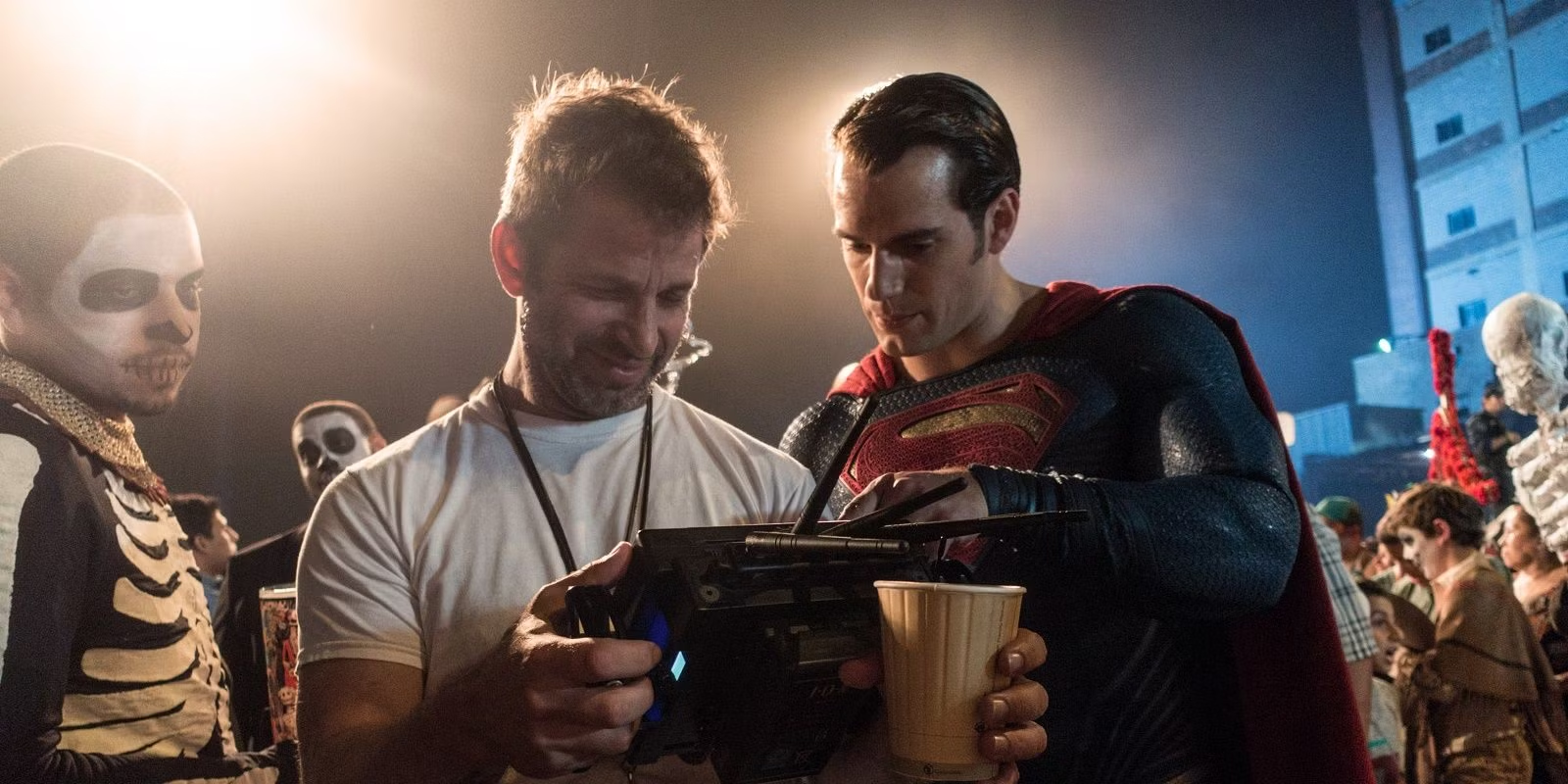
The cinematic landscape for superhero properties is undergoing a significant strategic re-evaluation. Despite substantial investment and fan anticipation, recent entries have often struggled to meet box office expectations, forcing studios to confront critical questions about intellectual property management. The differing creative approaches to iconic characters, particularly Superman, highlight a fundamental tension between artistic interpretation and established brand identity, with tangible impacts on market performance.
Examining recent directorial visions for Superman underscores this dilemma. One approach has leaned towards a grounded, almost deconstructed hero, portraying him as a burdened alien rather than the quintessential Man of Steel. Conversely, another sought to re-contextualize the character through a self-conscious, lighthearted aesthetic, seemingly to prove his capacity for joy. These varied interpretations, while distinct, represent studio decisions to reposition a century-old icon, often with conflicting results in the marketplace.
The practical outcome of these competing reimaginings has been a string of sub-par box office returns. These figures barely registered as profitable, leading to an industry-wide apprehension regarding the true commercial potential of the character. Crucially, the pattern has demonstrated a significant disconnect: vocal online engagement and passionate fan discussions, while indicative of interest, have not consistently translated into the widespread ticket sales necessary for blockbuster success. This disparity is a key financial metric studios must heed.
At the heart of the matter lies a perceived overcomplication of the core appeal. Audiences, particularly long-time fans, appear to be signaling a clear preference: they are not seeking a grim, reluctant deity who views heroics as a chore, nor a overly cautious, retro caricature that plays solely for camp. The market demand is not for a director's avant-garde personal project, nor for a sterile, committee-approved product. Consumers, ultimately, are seeking an authentic portrayal of Superman.
For decades, the comic book source material has delivered definitive, resonant storylines that have captivated millions. The continuous impulse to completely reinvent the character for the silver screen, often rebranded as an “adaptation,” overlooks a crucial business asset: proven narratives. A truly effective adaptation leverages these pre-validated stories—those already demonstrating powerful audience connection—and translates their essence to film, rather than departing from established and successful frameworks.
The strategic blueprint has consistently been available within the comic pages. From epic 'Crisis' arcs to innovative 'Elseworlds' tales, a vast vault of narrative gold awaits. The directive for studios should be to select a definitive storyline and commit to its faithful cinematic translation. This approach avoids the pitfalls of cherry-picking disconnected aesthetic frames that primarily serve a singular creative vision at the expense of established character integrity and audience expectation.
The enduring power of the Superman archetype for nearly a century confirms its fundamental strength. When studios shift away from attempting to ‘fix’ what is not broken—and cease allowing iconic intellectual property to serve as a sandbox for deconstruction—they stand to unlock the significant commercial and cultural potential that DC fans have patiently awaited. Adherence to source material, respect for established lore, and a commitment to authenticity represent a clear strategic path for cinematic success.